Left Hip Muscles Anatomy / Muscles Of The Hips And Thighs Human Anatomy And Physiology Lab Bsb 141 - For detailed anatomy of pelvic bones, read anatomy of hip bone.. The piriformis muscle is a key landmark in the gluteal region. It's primarily responsible for hip flexion, but it also rotates your thigh and adducts, which means it pulls your legs together when the muscles contract. This video also provides you with a. Rectus femoris muscle, one of. Patient education | concord orthopaedics.
Hip pain explained will teach you about the anatomy of the hips and pelvic area and how many different types of body tissues interact. Rectus femoris muscle, one of. The general action of these muscles is to laterally rotate the lower limb. This video also provides you with a. Semimembranosus, semitendinosus and biceps femoris (the hamstrings)
Hip Anatomy from embed.widencdn.net The hip muscles encompass many muscles of the hip and thigh whose main function is to act on the thigh at the hip joint and stabilize the pelvis.without them, walking would be impossible. Most modern anatomists define 17 of these muscles, although some additional muscles may sometimes be considered. One at the left hip, and one at the right hip. The pectineus muscle is a flat, quadrangular muscle that lies at the top of your inner thigh, often referred to as your groin muscle. This blog post article is an overview of the muscles of the pelvis. The muscles are broken down into three layers, and are primarily used to assist with the breathing process. The inner thigh is formed by the adductor muscles. They also stabilise the hip joint by 'pulling' the femoral head into the acetabulum of the pelvis.
These muscles include the gluteus maximus muscle (the largest muscle in the body) and the hamstrings group, which consists of the biceps femoris, semimembranosus, and semitendinosus muscles.
The view on the left has the rectus femoris cut away to show the vastus intermedius which is below it. It works better during single movements. This is because there are so many different muscles that give our hip joints a full range of motion. Gently lower your left leg on the floor. The muscles are broken down into three layers, and are primarily used to assist with the breathing process. The posterior muscle group is made up of the muscles that extend (straighten) the thigh at the hip. They also stabilise the hip joint by 'pulling' the femoral head into the acetabulum of the pelvis. The hip muscles are composed of multiple flexors, extensors, adductors, abductors, and rotators that work together. The anatomy of the hip and back is comprised of numerous parts that can be injured or wear out, and many problems that occur in this area can display the exact same symptoms or pathology. Patient education | concord orthopaedics. These muscles, including the gluteus maximus and the hamstrings, extend the thigh at the hip in support of the body's weight and propulsion. If soft tissue, such as skin, muscles, fat, and fascia get strained or injured, left hip pain can come from the abdominal wall. The hip's essential muscles are the sartorius, rectus femoris, gluteus minimus and medius, iliopsoas, adductors, and hamstrings.
Some of the other muscles in the hip are: One at the left hip, and one at the right hip. The hip's essential muscles are the sartorius, rectus femoris, gluteus minimus and medius, iliopsoas, adductors, and hamstrings. The posterior hip musculature comprises a group of muscles extending from the pelvic bone to the femur.these muscles are important for the stabilization of the pelvis during constant mechanical stress that it suffers. It works better during single movements.
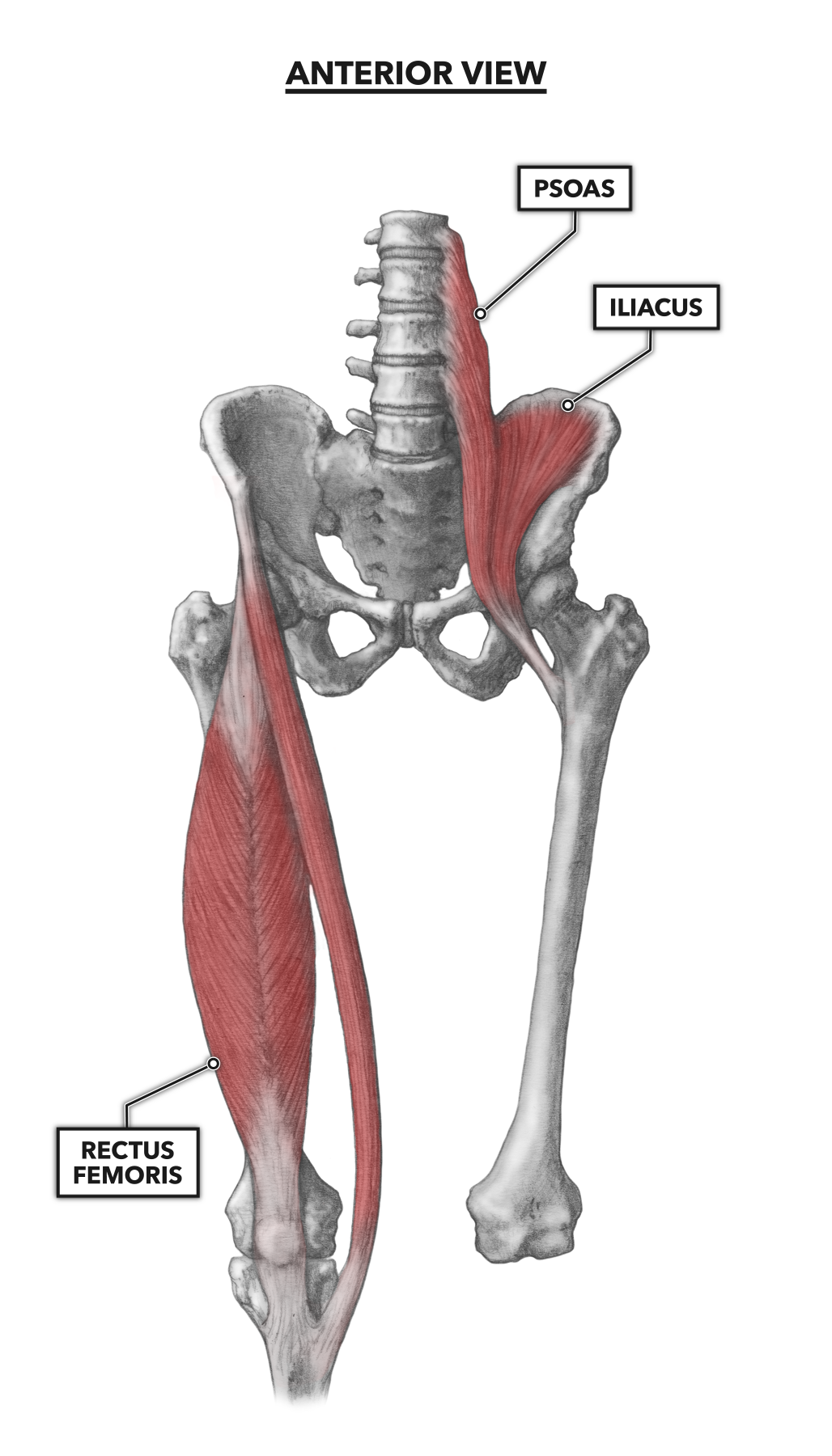
Hip Pain Muscle Versus Joint Bucks Sports Chiropractic Dr Derek Gearhart from buckssportschiropractic.com The hip's essential muscles are the sartorius, rectus femoris, gluteus minimus and medius, iliopsoas, adductors, and hamstrings. The posterior hip musculature comprises a group of muscles extending from the pelvic bone to the femur.these muscles are important for the stabilization of the pelvis during constant mechanical stress that it suffers. The pectineus muscle is a flat, quadrangular muscle that lies at the top of your inner thigh, often referred to as your groin muscle. They can be divided into three main groups: Pick which works for you and then. Iliopsoas muscle, a hip flexor muscle that attaches to the upper thigh bone. The general action of these muscles is to laterally rotate the lower limb. This is because there are so many different muscles that give our hip joints a full range of motion.
The inner thigh is formed by the adductor muscles.
These muscles include the gluteus maximus muscle (the largest muscle in the body) and the hamstrings group, which consists of the biceps femoris, semimembranosus, and semitendinosus muscles. Anterior part of the medial condyle of the tibia. Use the mouse scroll wheel to move the images up and down alternatively use the tiny arrows (>>) on both side of the image to move the images.>>) on both side of the image to move the images. Patient education | concord orthopaedics. These ligaments reinforce and stabilize the hip joint(6). Posterior view of gluteus maximus and gluteus medius in human anatomy, the muscles of the hip joint are those muscles that cause movement in the hip. One at the left hip, and one at the right hip. Joint, soft tissue, bone, back referred, peripheral nerve and other. In utero fetal hips lie typically in flexion, abduction and external rotation, with the left hip usually muscular anatomy. Hip pain explained will teach you about the anatomy of the hips and pelvic area and how many different types of body tissues interact. The iliofemoral, pubofemoral, and ischiofemoral ligaments represent the thickenings of the joint capsule. The hip muscles are composed of multiple flexors, extensors, adductors, abductors, and rotators that work together. Iliopsoas muscle, a hip flexor muscle that attaches to the upper thigh bone.
It is also referred to as a ball and socket joint and is surrounded by muscles, ligaments, and tendons. Anatomy it band pelvis muscle pelvis with muscles hip muscles muscles of pelvis tensor fascia latae psoas major anatomy pelvis tensor fascia lata pelvis muscles. These ligaments reinforce and stabilize the hip joint(6). The hip muscles are composed of multiple flexors, extensors, adductors, abductors, and rotators that work together. Attached to the pelvis are muscles of the buttocks, the lower back, and the thighs.
Crossfit Hip Musculature Part 1 Anterior Muscles from www.crossfit.com 1 hip anatomy, function and common problems. Similar to learning the muscles of the lumbar spine/trunk, it can be helpful to first look at the. Rectus femoris muscle, one of. This video also provides you with a. Iliopsoas muscle, a hip flexor muscle that attaches to the upper thigh bone. (2017, elsevier) should be consulted. Anatomy it band pelvis muscle pelvis with muscles hip muscles muscles of pelvis tensor fascia latae psoas major anatomy pelvis tensor fascia lata pelvis muscles. Joint, soft tissue, bone, back referred, peripheral nerve and other.
The iliofemoral, pubofemoral, and ischiofemoral ligaments represent the thickenings of the joint capsule.
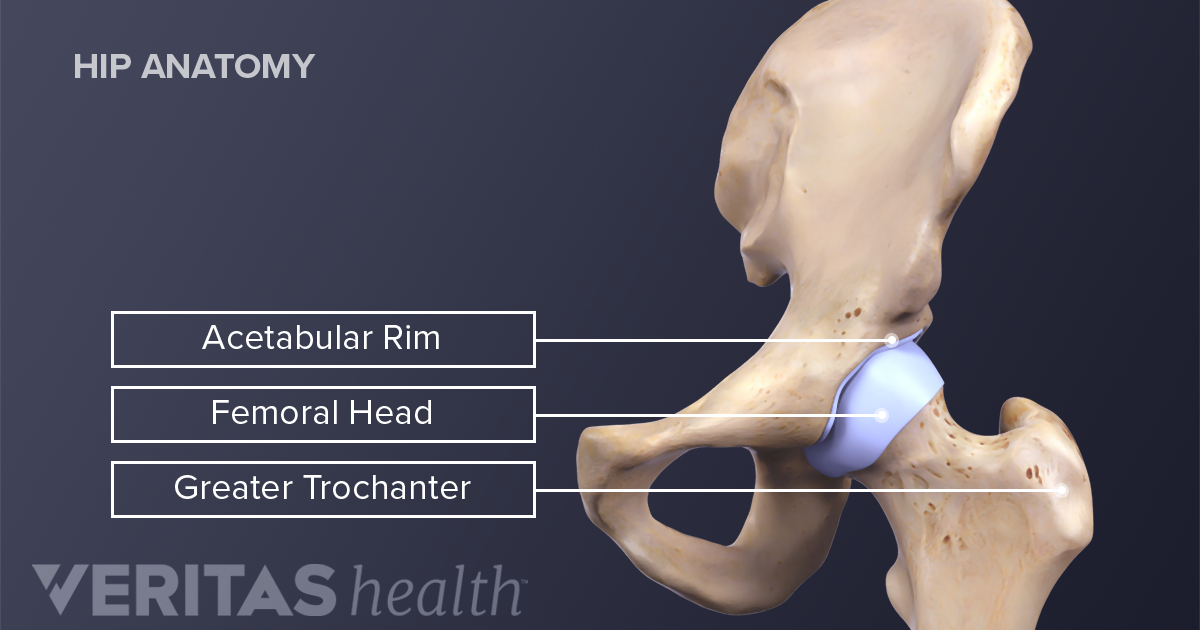
The thigh bone or femur and the pelvis join to form the hip joint. This video also provides you with a. This blog post article is an overview of the muscles of the pelvis. The general action of these muscles is to laterally rotate the lower limb. Attached to the pelvis are muscles of the buttocks, the lower back, and the thighs. Blood vessels and nerves of the hip The muscles are broken down into three layers, and are primarily used to assist with the breathing process. The hip muscles encompass many muscles of the hip and thigh whose main function is to act on the thigh at the hip joint and stabilize the pelvis.without them, walking would be impossible. These ligaments reinforce and stabilize the hip joint(6). Also, the posterior hip muscles produce a movements within the hip joint, such are abduction, adduction, outward rotation and retroversion. The hip's essential muscles are the sartorius, rectus femoris, gluteus minimus and medius, iliopsoas, adductors, and hamstrings. Ebraheim's educational animated video describes the muscle anatomy of the hip and buttocks region with simple images; Iliopsoas muscle, a hip flexor muscle that attaches to the upper thigh bone.